

Are Storage Heaters Energy Efficient?
As energy prices continue to rise and more homeowners look for ways to reduce their carbon footprint, storage heaters are becoming an increasingly popular heating solution. But are they actually eco-friendly?
Let’s take a closer look at why storage heaters are considered an environmentally friendly way to heat your home.
How Storage Heaters Work
Storage heaters work differently from standard electric heaters. Instead of using electricity whenever you need heat, they store thermal energy overnight when electricity demand is lower and off-peak tariffs are often available.
The stored heat is then released gradually during the day, helping to keep your home warm without continuously drawing electricity from the grid.
Many modern storage heaters also feature built-in boost or direct-acting heating elements (like Dimplex). These provide extra heat on demand if temperatures drop or you need additional warmth later in the day. Some models also use balancing elements (like Elnur), which help maintain a comfortable room temperature without relying solely on stored heat.
This combination of stored and on-demand heating gives homeowners much greater flexibility while still making efficient use of off-peak electricity.
Why Off-Peak Electricity Matters
One of the biggest environmental benefits of storage heaters is when they use electricity.
Rather than charging during the busiest times of the day, storage heaters are designed to heat their internal core overnight, when demand on the electricity network is much lower. This helps spread energy demand more evenly across the grid and makes better use of available generating capacity.
For households on Economy 7 or similar off-peak tariffs, this also means electricity used for heating is usually much cheaper than daytime rates, helping to lower running costs.
Using electricity more efficiently benefits both homeowners and the wider energy network.
Energy Efficiency
Modern storage heaters are much more efficient than older models.
Improved insulation allows them to retain heat for longer, reducing unnecessary heat loss overnight and ensuring more warmth is available when it’s actually needed. Advanced controls also allow users to programme heating schedules, adjust room temperatures and control when stored heat is released.
Many high-retention storage heaters automatically learn your heating habits and adjust their charging levels based on previous usage and weather conditions. This helps prevent overheating and reduces wasted energy. The Elnur ECOHHR PLUS Storage Heater is the perfect example of this.
The result is a heating system that provides comfort while using electricity more effectively.
Reducing Carbon Emissions
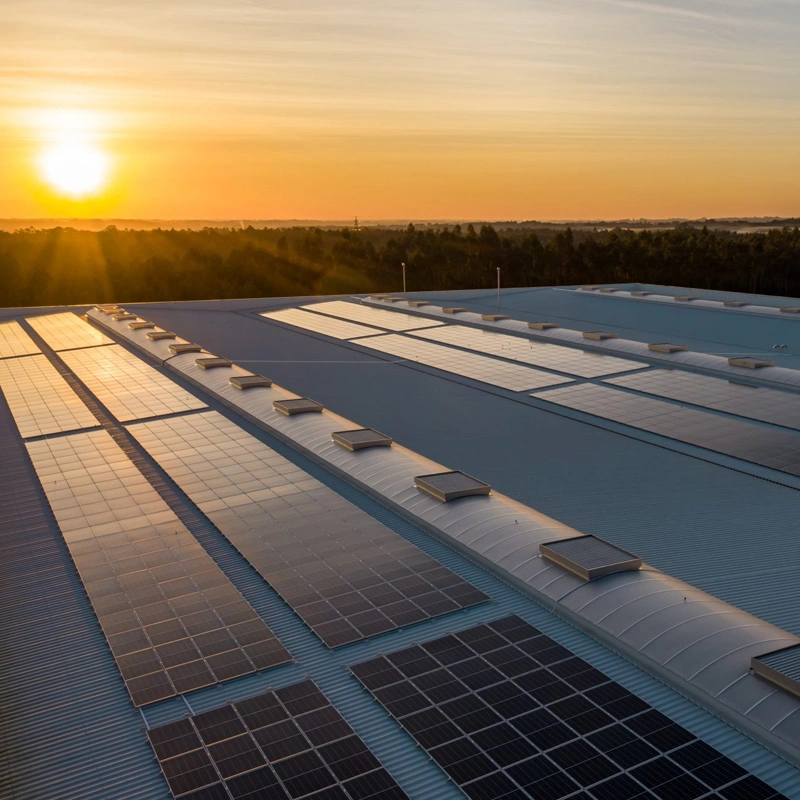
Electric heating is becoming greener as the UK’s electricity supply continues to shift towards renewable energy sources such as wind and solar power.
Because storage heaters use electricity rather than burning gas or oil, their environmental impact continues to decrease as the National Grid becomes cleaner. Charging overnight can also help make use of surplus electricity that might otherwise go unused, particularly during periods of high renewable generation.
While no heating system is completely carbon-free, modern storage heaters can play an important role in reducing household emissions when paired with an efficient electricity tariff.
In some cases, like the Elnur ECOHHR PLUS Storage Heaters, your heater may be able to utilise surplus solar energy and off-peak tariffs.
Do Storage Heaters Suit Every Home?
Storage heaters work particularly well in homes without access to mains gas, including flats, apartments and many rural properties.
However, they perform best when they’re properly sized for the property and used with an off-peak electricity tariff such as Economy 7 or Economy 10. Check what heater may be perfect for your home with our free heatloss calculator.
Good insulation is also important. A well-insulated home will retain stored heat for longer, improving comfort and reducing energy consumption even further. Older storage heaters can also still provide reliable heating, but upgrading to a modern high-retention model can deliver noticeable improvements in efficiency, EPC, comfort and running costs.
The Future of Storage Heating
As the UK continues working towards net zero, electric heating is expected to play an increasingly important role.
Improvements in battery technology, renewable electricity generation and smart home systems are making electric heating more efficient every year. Modern storage heaters are evolving alongside these changes, offering greater control, improved efficiency and better integration with smart energy tariffs.
For homeowners looking to reduce both energy costs and environmental impact, storage heaters are becoming an increasingly attractive long-term investment.
In Conclusion
Modern storage heaters offer an efficient and environmentally friendly way to heat your home. By storing heat using off-peak electricity and combining it with smart controls and optional on-demand heating, they provide reliable comfort while helping reduce energy waste.
Although they work best with an off-peak tariff and a well-insulated property, today’s high heat retention storage heaters are far more advanced than older models. They can help lower heating bills, reduce carbon emissions and make better use of the UK’s increasingly renewable electricity supply.
If you’re looking for a heating system that’s economical to run, easy to control and better for the environment, a modern storage heater is well worth considering.
Storage Heater Sales
Discover the warmth of comfort and energy efficiency as you delve into the world of storage heaters with Storage Heater Sales. Our blog is your go-to destination for all things related to storage heaters – from what makes storage heaters efficient to the latest innovations in energy-saving technology.
🌐 Energy Efficiency Tips: Explore sustainable heating practices and learn how to maximise the efficiency of your storage heater.
💼 Industry News: Stay in the loop with the latest developments in the heating industry. We bring you updates on new technologies, regulations, and grants that could impact your heating choices.
Recent Blog Posts